
Understanding the Latest Trends in Eco-Friendly Pest Control


Introduction to Eco-Friendly Pest Control
As environmental consciousness rises, many homeowners and businesses are seeking more sustainable ways to manage pests. Traditional pest control methods often rely on harsh chemicals that can harm the environment and human health. In contrast, eco-friendly pest control focuses on minimizing these impacts while effectively managing pest populations.

The Principles of Eco-Friendly Pest Control
Eco-friendly pest control is grounded in the principles of Integrated Pest Management (IPM). This approach emphasizes prevention, monitoring, and control, using a combination of techniques to keep pests at bay. The goal is to reduce reliance on chemical pesticides and focus on long-term prevention strategies.
Key components of IPM include:
- Identifying and understanding pest behavior
- Implementing physical barriers and traps
- Using biological controls like beneficial insects
- Applying natural or low-toxicity chemical solutions when necessary
Innovative Products and Solutions
Recent advancements in eco-friendly pest control have led to the development of innovative products. For example, natural repellents made from essential oils, such as peppermint or citronella, are gaining popularity. These products offer a non-toxic alternative to traditional chemical sprays.
Additionally, biological pest control methods, such as introducing natural predators to the environment, are becoming more widespread. This approach can effectively manage pest populations without harmful chemicals.
Technology in Pest Management
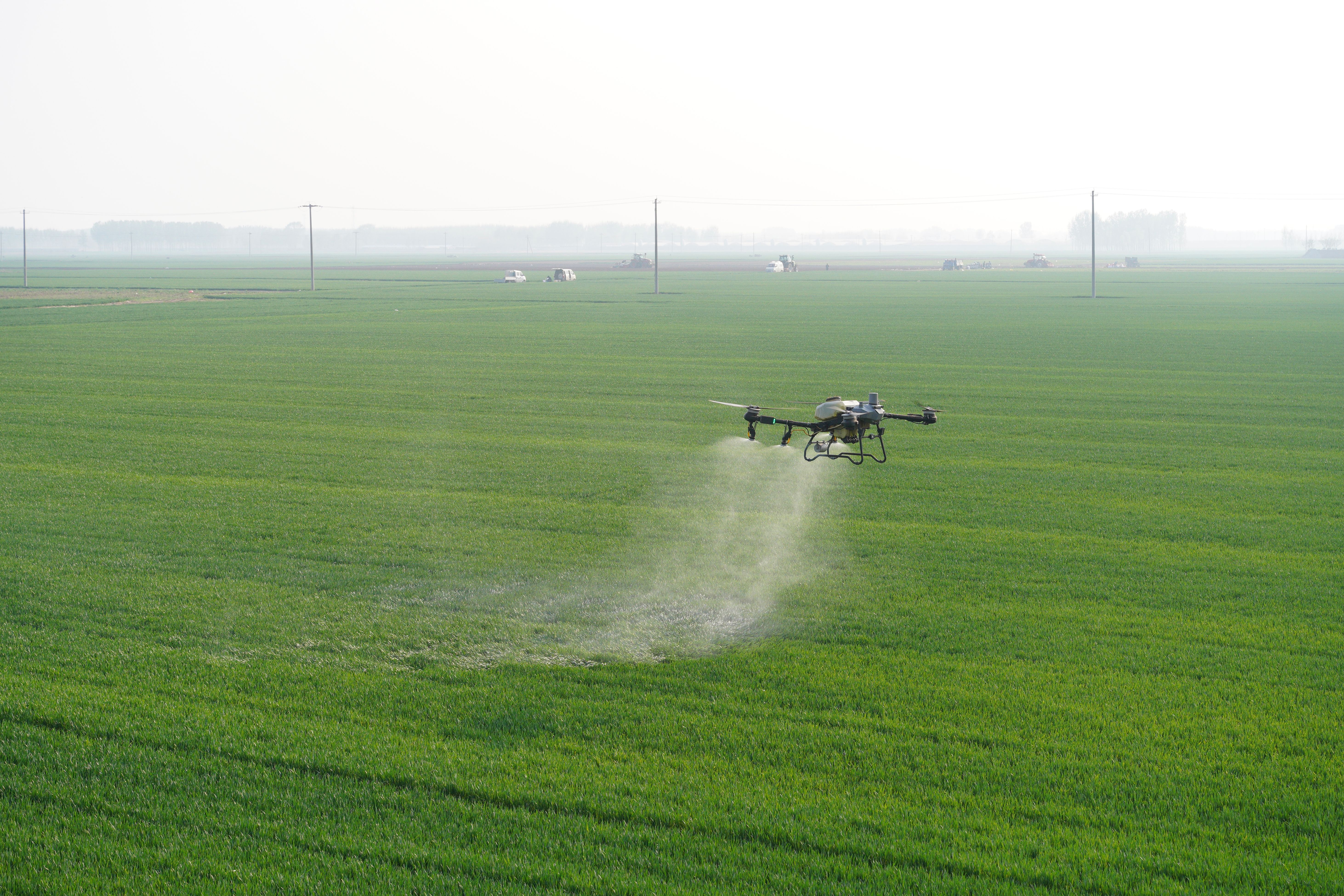
Technology is playing a significant role in advancing eco-friendly pest control. Smart traps and monitoring systems equipped with sensors and cameras allow for real-time pest tracking. These tools help in identifying problem areas and determining the most effective control methods.
Furthermore, data analytics and machine learning are being used to predict pest outbreaks and optimize control strategies, reducing the need for chemical interventions.
Benefits of Eco-Friendly Pest Control
Choosing eco-friendly pest control offers numerous benefits. Not only does it protect the environment, but it also promotes healthier living spaces. By reducing exposure to toxic chemicals, families and pets can enjoy safer homes.
Businesses can also benefit by adopting sustainable practices that appeal to environmentally-conscious consumers. These practices can enhance brand reputation and contribute to corporate social responsibility goals.

Challenges and Considerations
Despite its advantages, eco-friendly pest control has its challenges. It often requires a more detailed understanding of pest behavior and ecology, which can be more time-consuming. Additionally, initial costs may be higher, although long-term savings and benefits often offset these.
It's essential for consumers to work with knowledgeable professionals who can tailor solutions to specific pest problems and environments, ensuring effective and sustainable pest management.
Conclusion: The Future of Pest Control
The trend towards eco-friendly pest control is set to continue as more people recognize the importance of sustainability. With ongoing innovations and increased awareness, these practices will likely become the norm, benefiting both the planet and its inhabitants.
By embracing these methods, we can strive for a balance between pest management and environmental stewardship, paving the way for a healthier future.