
The Impact of Johor's Climate on Pest Behavior and Control


Understanding Johor's Climate
Johor, located in the southern region of Malaysia, experiences a tropical rainforest climate, characterized by high humidity and consistent temperatures throughout the year. The climate plays a significant role in shaping the behavior of pests in the region. With an average temperature ranging from 25°C to 28°C and heavy rainfall, pests find the environment conducive to thriving and reproducing rapidly.
The high humidity levels, often exceeding 80%, create ideal conditions for the proliferation of various pests such as mosquitoes, termites, and rodents. These pests not only pose health risks but also cause significant damage to property if not controlled effectively. Understanding the impact of Johor's climate on pest behavior is crucial for developing effective pest management strategies.

Pest Behavior in Humid Conditions
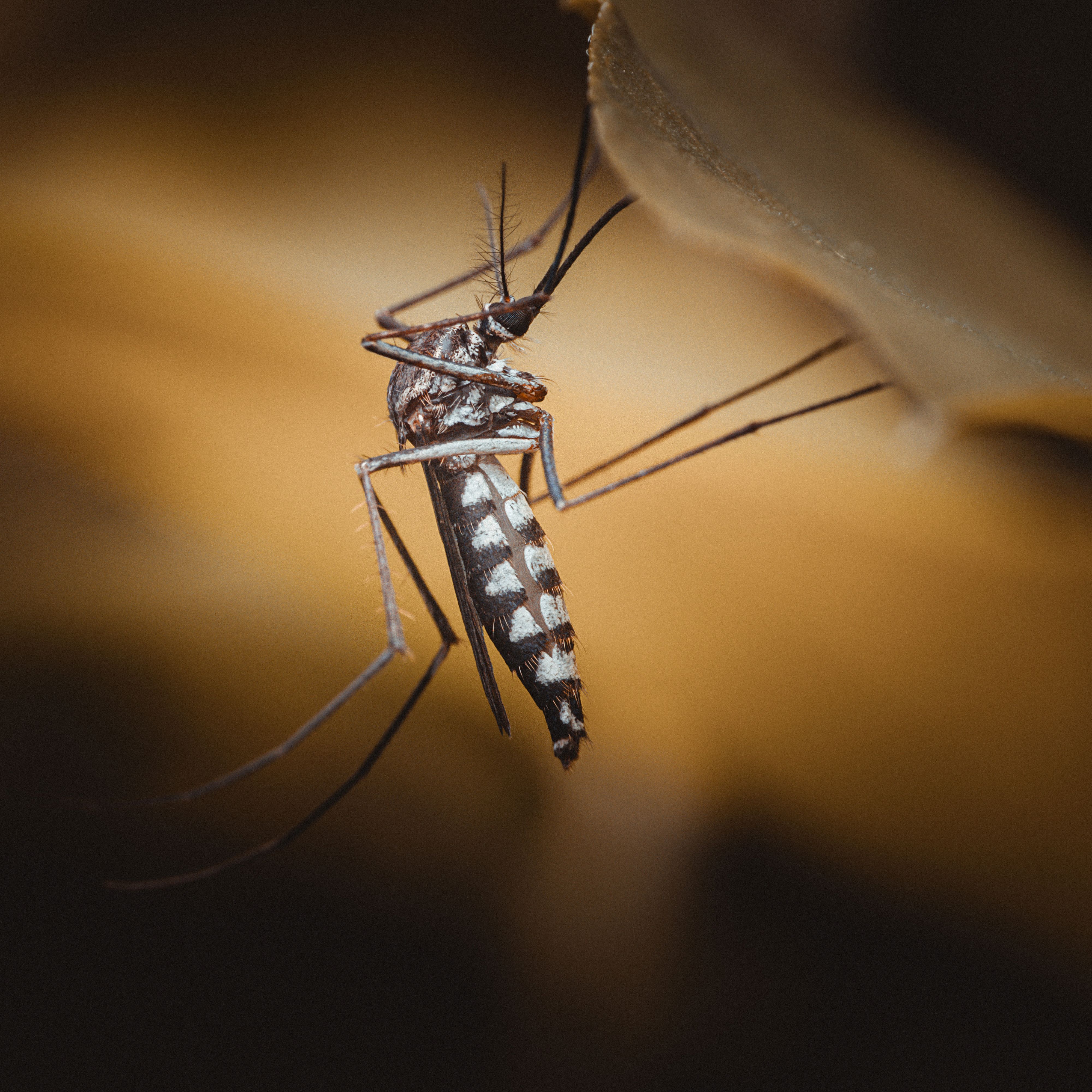
High humidity levels in Johor accelerate the breeding cycles of pests. For instance, mosquitoes, which are vectors for diseases such as dengue fever and malaria, breed in stagnant water that often accumulates during the frequent rainfalls. The warm and moist environment expedites their lifecycle, leading to higher populations.
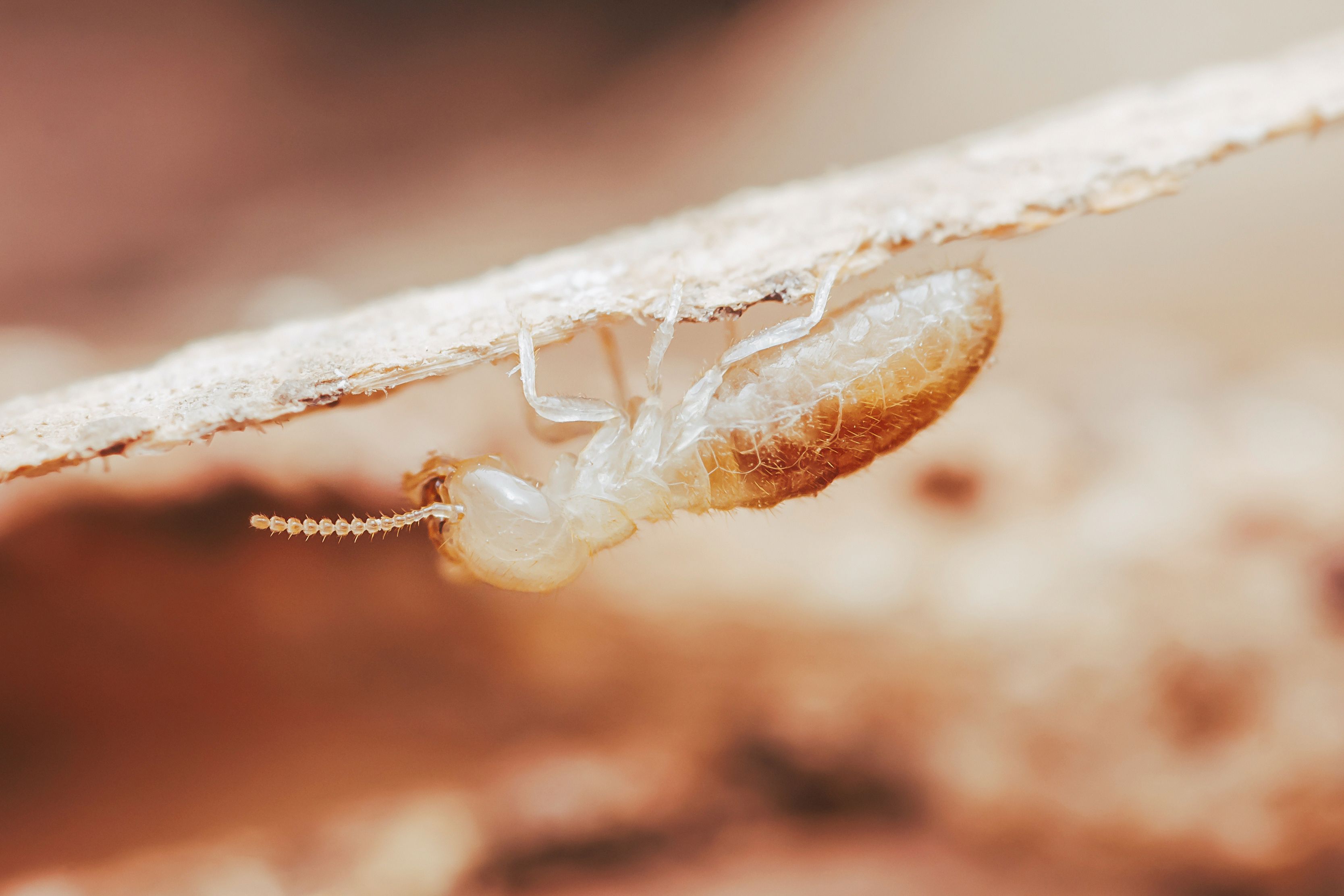
Termites also thrive in humid conditions. They are notorious for feeding on wooden structures, which can lead to severe structural damage if not addressed promptly. The moisture in the air allows termites to maintain their nests and expand their colonies without drying out, thus enabling them to cause more destruction over time.
Challenges in Pest Control
Controlling pests in Johor presents unique challenges due to the persistent warm and moist climate. Traditional pest control methods may not always be effective, as pests can quickly adapt to environmental changes. Additionally, the rapid breeding cycles mean that pest populations can rebound quickly after treatment.
Therefore, it is essential for pest control strategies to be both proactive and adaptable. Regular monitoring and timely interventions can help manage pest populations before they become unmanageable. Integrated Pest Management (IPM) approaches that combine biological control methods with chemical treatments are often recommended for sustainable results.

Effective Pest Management Strategies
Implementing effective pest control measures requires a comprehensive understanding of the local climate and pest behavior. Key strategies include:
- Regular inspections: Conducting routine checks can help identify pest infestations early, allowing for prompt action.
- Elimination of breeding sites: Removing stagnant water and reducing moisture levels can prevent mosquito breeding and termite infestations.
- Use of environmentally friendly pesticides: Choosing pesticides that are effective yet safe for the environment helps protect both human health and biodiversity.
By adopting these strategies, residents and businesses in Johor can minimize the impact of pests on their health and properties.
The Role of Public Awareness
Public awareness plays a crucial role in effective pest management. Educating communities about the impact of climate on pest behavior and the importance of preventive measures can significantly reduce pest-related issues. Community-driven initiatives such as clean-up campaigns and educational workshops can empower individuals to take responsibility for reducing pest habitats.
Moreover, collaboration between local authorities, pest control professionals, and residents can lead to more efficient and coordinated efforts in managing pest populations. By fostering a collective approach, Johor can enhance its resilience against the challenges posed by its tropical climate on pest behavior.