
Expert Insights: The Latest Trends in Eco-Friendly Pest Control


The Rise of Eco-Friendly Pest Control
As awareness of environmental issues grows, the demand for eco-friendly pest control solutions has surged. Traditional pest control methods often rely on harsh chemicals that can harm both the environment and human health. In contrast, eco-friendly alternatives focus on sustainability and safety.
Eco-friendly pest control utilizes natural methods and products that minimize environmental impact. This approach not only protects ecosystems but also offers a healthier living environment for people and pets.

Natural Pest Control Methods
One of the key trends in eco-friendly pest control is the use of natural methods to deter and eliminate pests. These methods often involve biological controls, such as introducing natural predators to manage pest populations. For example, ladybugs can be used to control aphid infestations in gardens.
In addition to biological controls, many eco-friendly pest control companies use botanical pesticides. These are derived from plants and are less toxic than traditional chemical pesticides. Neem oil and diatomaceous earth are popular choices that effectively target specific pests without harming beneficial insects.
Integrated Pest Management (IPM)
Integrated Pest Management (IPM) is a holistic approach that combines multiple strategies to manage pests sustainably. IPM focuses on prevention, monitoring, and control, using a combination of biological, cultural, physical, and chemical tools. This approach minimizes the use of chemical pesticides and reduces the risk of pest resistance.
IPM encourages regular monitoring to identify pest issues early. By understanding pest lifecycles and environmental factors, IPM practitioners can apply targeted interventions only when necessary, reducing overall pesticide usage.

Technology and Innovation
Advancements in technology have also played a significant role in the latest trends in eco-friendly pest control. Smart traps and sensors can now detect pest activity in real time, allowing for timely interventions. These devices help reduce the need for regular pesticide applications by targeting specific problem areas.
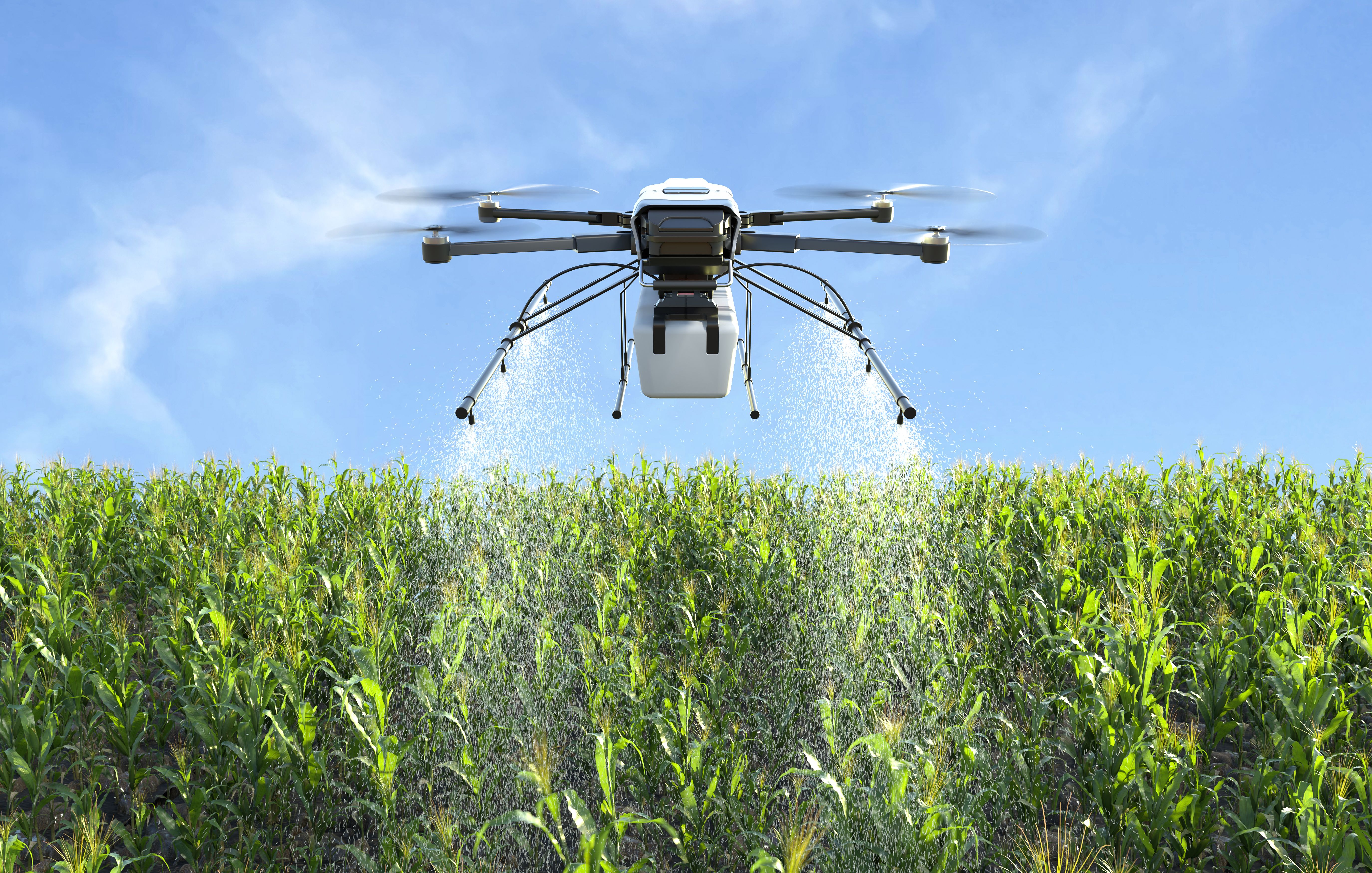
Additionally, drones and other remote sensing technologies are being used to monitor large areas efficiently. This technology-driven approach ensures that interventions are precise and environmentally friendly.
Consumer Demand for Green Solutions
Consumer preferences are shifting towards greener choices, influencing the pest control industry to adopt more sustainable practices. Homeowners and businesses alike are increasingly opting for eco-friendly solutions, recognizing the long-term benefits for health and the environment.
As the demand for eco-friendly pest control grows, companies are investing in research and development to create innovative products and services. This investment not only meets consumer expectations but also contributes to a more sustainable future.
The Future of Eco-Friendly Pest Control
The future of pest control lies in sustainable and eco-friendly solutions. As awareness and technology continue to advance, the industry is expected to see further innovations that will enhance efficiency and reduce environmental impact.
For those looking to switch to eco-friendly pest control, it's important to choose companies that prioritize sustainability and transparency. By making informed choices, consumers can contribute to a healthier planet while effectively managing pest issues.